


Customer Testimonials
Soilborne diseases, seed infection, how to prevent and control wheat and rice root and stem rot?

In recent years, due to changes in planting systems, farming practices, and climate, diseases such as wheat root, stem, and basal rot,纹枯病, whiteheads, and rice blast have accumulated in large quantities in the field, providing a sufficient source of pathogens for disease outbreaks. These diseases spread rapidly, causing increasing harm. In some areas with extensive management practices, the rate of whiteheads reaches 30-50%, making these diseases a major constraint on the production of wheat, rice, and other crops, and posing a serious threat to food security.
In the initial stages of infection, the symptoms of root, stem, and basal rot are not obvious, making timely identification and effective treatment difficult. Therefore, a preventive approach to plant protection should be adopted, focusing on pre-sowing prevention for wheat and rice. Deep plowing and the use of special microbial fertilizers for soil improvement and simultaneous sowing are effective measures to control root and stem rot and rice blast.
"Healthy soil should contribute to high and stable crop yields, ensure safe and high-quality agricultural products, and prevent pollutant emissions, while providing favorable site conditions." This is how Zeng Xibai, a researcher at the Institute of Agricultural Environment and Sustainable Development, Chinese Academy of Agricultural Sciences, defines healthy soil. The main challenges facing the construction of healthy soil in China are currently: soil erosion and degradation; declining soil organic matter quality; increasing soil-borne diseases; and shallow topsoil.
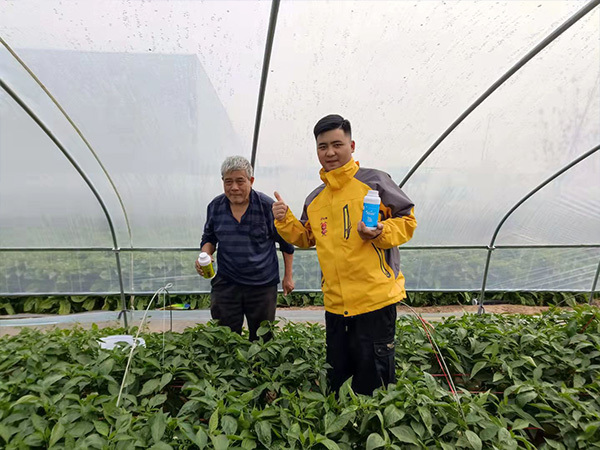
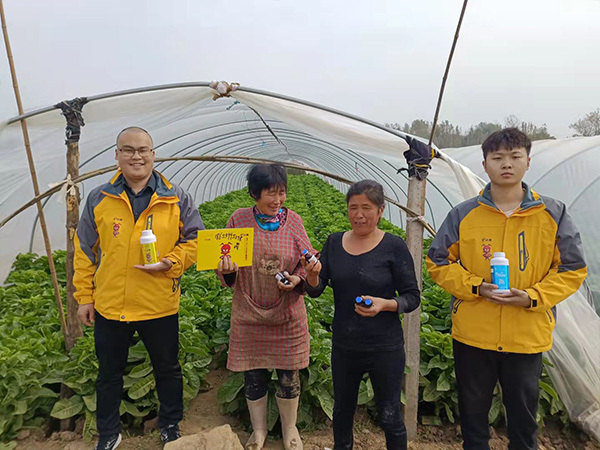
Witness of relevant farmers

CONTACT INFORMATION
OFFICIAL ACCOUNTS
ONLINE MESSAGE
Please leave your personal information and we will contact you as soon as possible!